
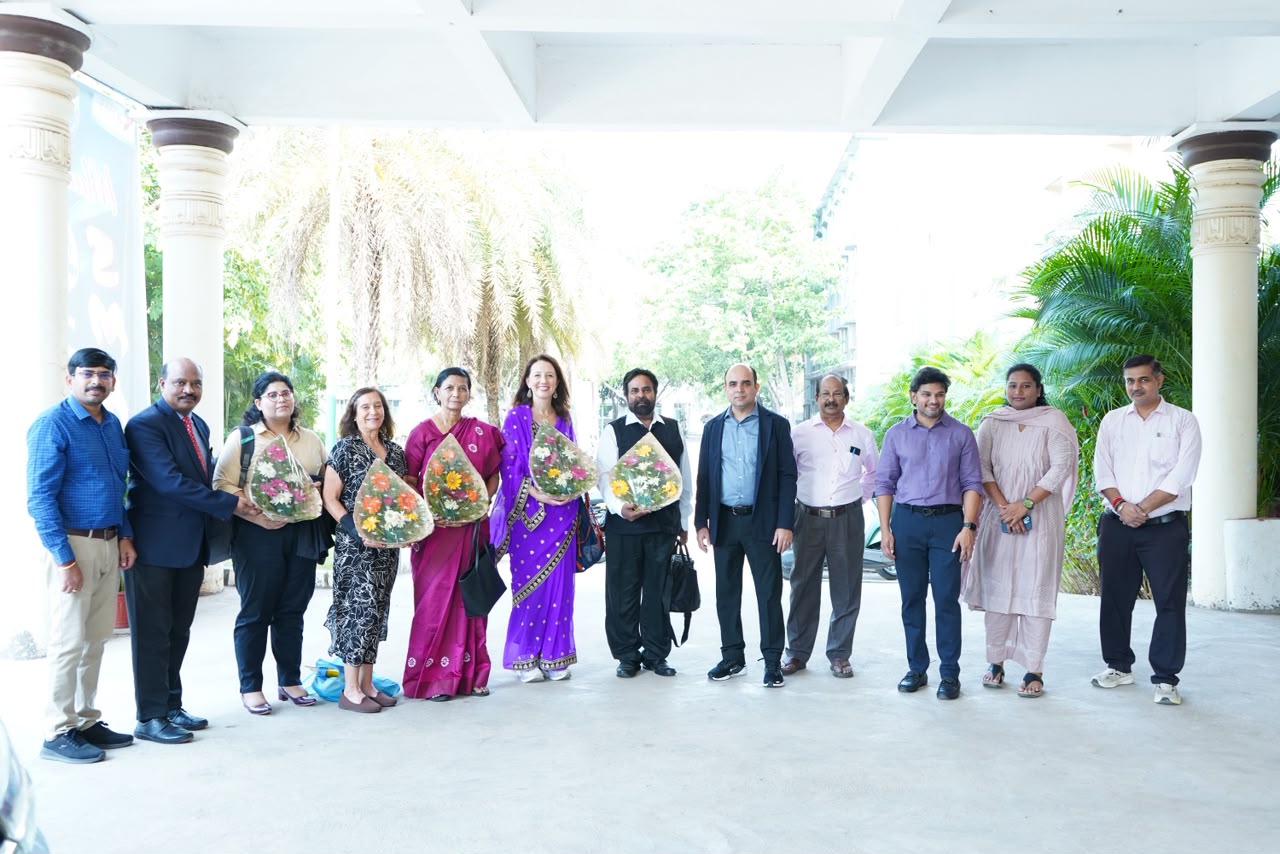
Konaseema Institute of Medical Sciences (KIMS), Amalapuram, successfully organized a two-day International Medical Conference titled “Medicine at the Crossroads: Technology, Skill, and Calling,” bringing together distinguished medical professionals, academicians, healthcare innovators, and industry leaders from India and the United States. Conducted under the theme “Head, Hands & Heart,” the conference focused on the integration of technological innovation, clinical excellence, practical skills, and compassionate patient care, providing participants with valuable insights into the future of healthcare.
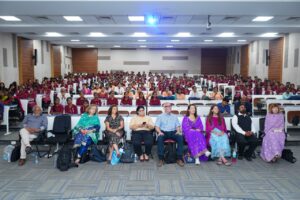
The conference featured an eminent panel of international and national speakers, including Prof. Solomon Darwin, Director Emeritus of the Center for Corporate Innovation, University of California, Berkeley; Dr. Emily Rose, Professor of Emergency Medicine and Director for Pre-Health at USC Keck School of Medicine; Dr. Latha Paul, Medical Director of Subbamma Mission Hospital; Prof. Matt Sanders; Prof. Jeff Rose; Norma Ausejo, retired Medical Technologist and Ultrasound Specialist; Dr. Chandrakiran Dubey, Business Intelligence Executive at Prime Healthcare, USA; Y.S. Michael, Innovation Head at Intellectt, USA; and Sam Dadala, former senior executive at Medtronic, USA. Their collective expertise provided participants with a comprehensive understanding of emerging trends in healthcare, medical education, technology, and patient care.
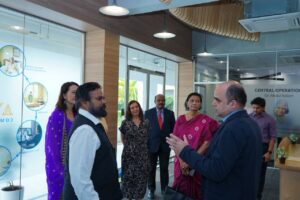
Dr. Latha Paul delivered a session on Achieving Clinical Excellence, emphasizing holistic healthcare, healing the healer, practical diagnosis, and the journey from classroom learning to becoming a competent and compassionate clinician. Dr. Emily Rose shared her experiences in emergency medicine, highlighting critical decision-making under pressure, patient-centered care, and pathways for medical education and careers in the United States. Norma Ausejo discussed the growing importance of Point-of-Care Ultrasound (POCUS) and stressed the value of patient engagement, practical clinical skills, and compassionate bedside care.
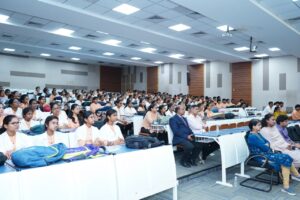
A major focus of the conference was the transformative role of technology in modern healthcare. Prof. Solomon Darwin delivered an insightful presentation on emerging technologies reshaping medicine, including artificial intelligence, telemedicine, robotics, precision medicine, and cybersecurity in connected healthcare systems. His session encouraged students and healthcare professionals to prepare for a future where innovation and adaptability will be essential components of medical practice.

Further enriching the conference, Dr. Chandrakiran Dubey spoke on “AI in Healthcare: From Hype to Clinical Impact,” exploring how artificial intelligence is improving diagnostics, imaging, predictive analytics, and clinical decision support. Y.S. Michael presented on Community Health Intelligence, demonstrating how AI-powered dashboards and community data can be used to improve preventive healthcare and population health outcomes. Sam Dadala shared perspectives on the future of medical devices, discussing predictive healthcare, remote patient monitoring, wearable technologies, and connected care ecosystems that are transforming the delivery of healthcare services worldwide.
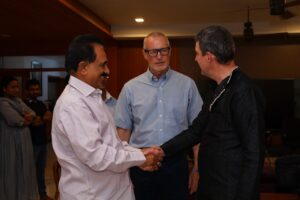
The conference also featured thought-provoking sessions by Prof. Matt Sanders and Prof. Jeff Rose. Prof. Sanders examined the opportunities and limitations of artificial intelligence in medicine, encouraging participants to adopt a balanced and critical perspective on technological advancements. Prof. Jeff Rose explored the evolution of healthcare ethics across civilizations, highlighting historical lessons, ethical challenges, and the continued relevance of moral principles in contemporary medical practice.

One of the highlights of the event was the panel discussion titled “The Future of Medicine: Human vs Machine vs Team,” where all speakers participated in an engaging dialogue on the future of healthcare. Discussions focused on whether artificial intelligence can replace doctors, the skills that will be most valuable in the coming decade, the enduring importance of compassion in healthcare, and strategies for balancing technological innovation with human-centered care. The panel underscored the importance of collaboration between healthcare professionals and technology in shaping the future of medicine.
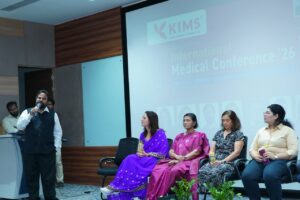
The conference witnessed enthusiastic participation from medical students, faculty members, nursing professionals, and technical staff, creating a vibrant environment for learning, interaction, and knowledge exchange. Through expert-led discussions and interdisciplinary engagement, participants gained valuable exposure to global perspectives on healthcare innovation, medical education, artificial intelligence, ethics, and patient care.
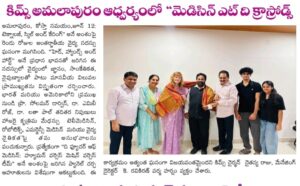
The successful conduct of this international conference reflects KIMS’ ongoing commitment to academic excellence, research, innovation, and global collaboration. By bringing together renowned experts from diverse disciplines and institutions, the event served as an important platform for professional development and intellectual exchange, inspiring the next generation of healthcare professionals to combine technology, clinical expertise, and compassionate care in their pursuit of better health outcomes for society.